The Best Insoles for Hoka Sneakers Shoes: Top Value Replacement
Your Hoka Running Shoes Aren’t Actually Worn Out—Just Their “Core” Has Aged
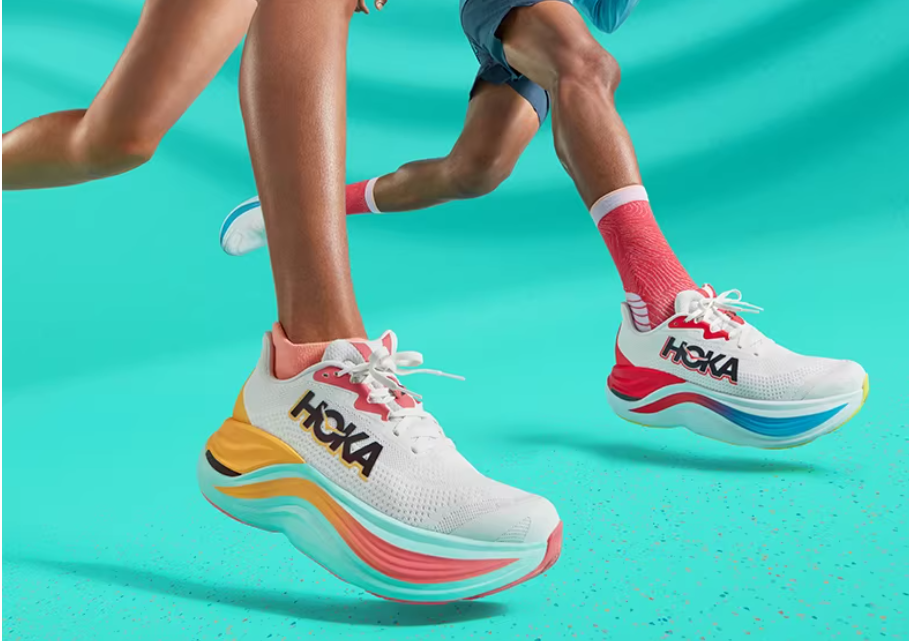
The Magic and Regret of Hoka: We all love Hoka’s signature thick-soled cushioning and rolling sensation. But many runners notice that even before the outsoles wear through, the shoes start feeling stiff and may even develop an odor.
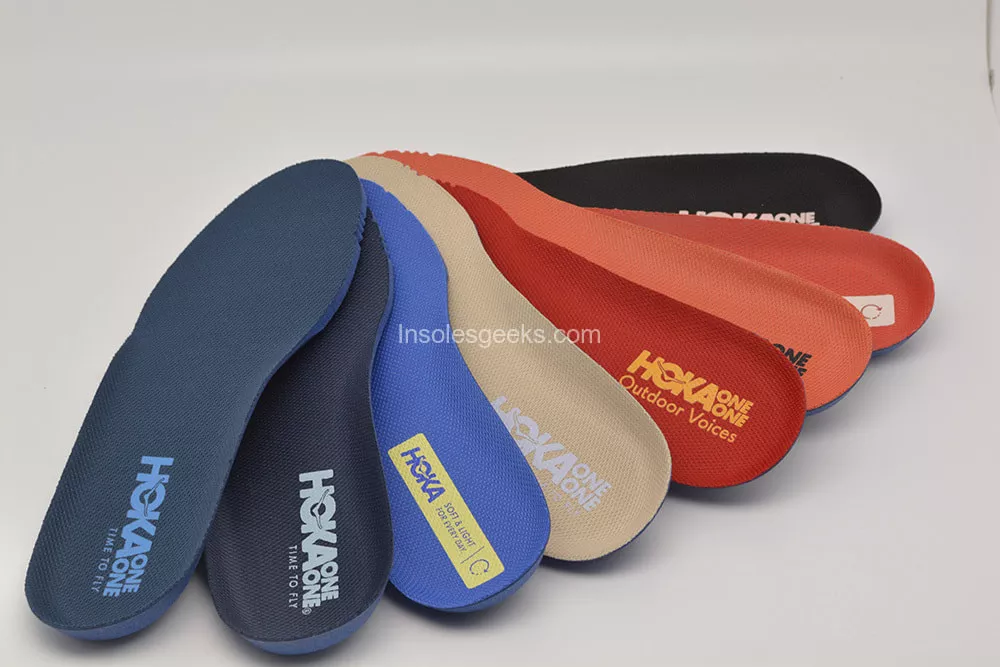
The truth revealed: The midsole of running shoes typically lasts a long time, but the factory-installed insoles are often disposable items. After hundreds of miles, they “collapse” from prolonged pressure and lose their elasticity.
The Solution: You don’t need to spend $150 on new shoes. Simply replace them with “original-grade” replacement insoles designed specifically for Hoka to instantly restore that cloud-like cushioning feel.
When Should You Replace Your Insoles? (3 Key Signs)
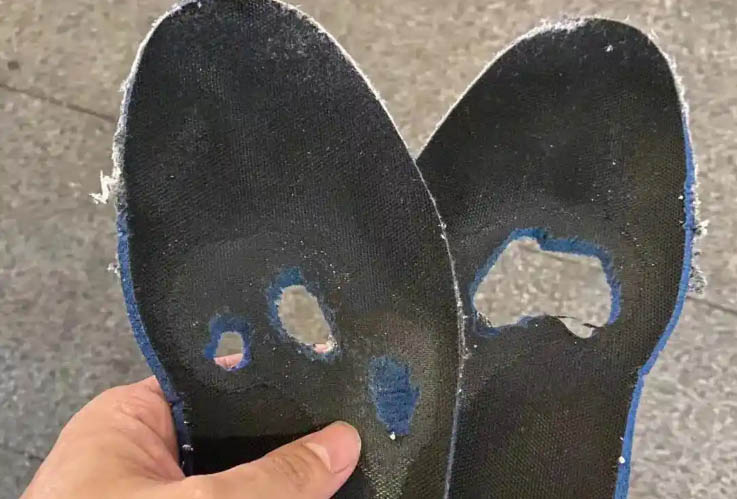
1: Foot feel “brick-like” and loss of cushioning. If you no longer feel that initial soft, springy feedback, or experience sharp pain in the soles of your feet after running, it indicates the foam structure of the insoles has completely collapsed.
2: Slipping and friction inside the shoe. As the surface fabric wears down, old insoles lose their grip. If your toes hit the toe box on descents or your foot shifts inside the shoe, it’s time for new insoles to provide secure grip and lockdown.
3: Persistent odors and hygiene concerns. Worn insoles become breeding grounds for bacteria. After prolonged sweat absorption, they develop stubborn odors that washing alone cannot eliminate.
Why Choose Our “Original-Grade” Replacement Insoles?
(Key Selling Point) With so many generic insoles on the market, why choose our replacement insoles specifically engineered for Hoka?
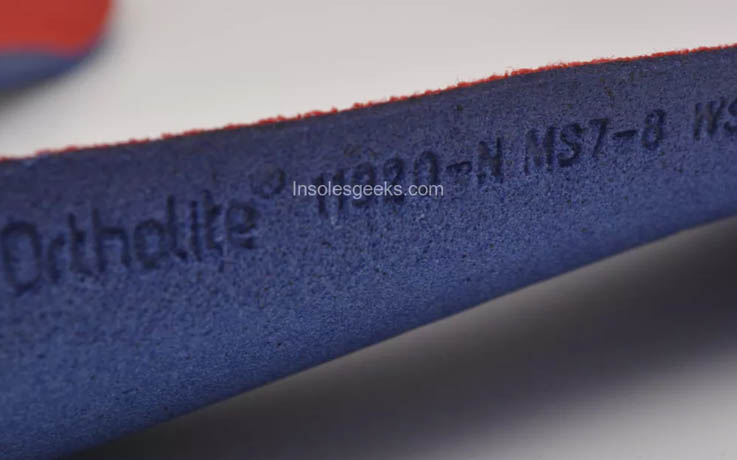
3.1:1 Perfect Fit & Volume
Pain Point: Many universal insoles are too thick, squeezing toes when inserted into Hoka shoes; or too narrow, leaving the arch unsupported.
Our Advantage: Our insoles are meticulously designed to match Hoka’s wide last and internal volume. They fit seamlessly inside the shoe, preventing slippage and preserving the shoe’s original sizing feel.
2.Perfectly Compatible with Meta-Rocker Technology
Pain Point: Some third-party insoles feature overly rigid bases that disrupt Hoka’s signature “rolling gait,” resulting in an unnatural running experience.
Our Advantage: Material flexibility is precisely calibrated to harmonize with Hoka’s thick midsole, preserving the original smooth transition feel—just like when you first bought them.
3.Enhanced Durability and Support
Pain Point: Stock insoles are often thin and have a short lifespan.
Our Advantage: We utilize high-density memory foam/EVA material that not only recreates the “cushiony feel” but also features micro-reinforcement at the arch and heel. This means it lasts longer, provides better support, and adds no extra weight compared to the original thin insole.
4. Cost-Effective Choice
Instead of splurging on brand-name orthotic insoles that can easily cost hundreds of dollars, our original replacement insoles focus on **“restoration” and “minor upgrades”**. At an affordable price, they give your old running shoes a new lease on life.
Hands-On Guide: Refresh Your Running Shoes in 30 Seconds
Step 1: Remove the Old Insole. Be sure to first peel out and remove the old, collapsed insole from your Hoka shoe (remember not to layer it directly).
Step 2: Trim for Fit. Place the removed old insole over our new insole, aligning the heel. Trim any excess along the toe edge (skip this step if no trimming is needed).
Step 3: Insert the new insole. Place the new insole into the shoe, ensuring it lies flat without wrinkles.
Step 4: Try them on. Slip into your shoes and you’ll be amazed—that familiar snug fit and soft, springy support is back!
Don’t let a pair of worn-out insoles ruin your Hoka shoe experience.
Since you bought Hokas for that ultimate comfort, maintain it with the best-matched OEM-grade replacement.
[Shop Now] Give your Clifton, Bondi, or Speedgoat a fresh boost.